When rain showers become more frequent and storms more intense, effective rainwater management becomes essential to protect infrastructure and properties. An optimized installation of drainage systems can prevent flooding, reduce damage to buildings, and even contribute to the recharge of groundwater. This process involves a careful assessment of local precipitation, the selection of suitable materials, and the establishment of a network of gutters, pipes, and retention basins. Solutions may also integrate sustainable development practices such as green roofs and rainwater harvesting systems.
Key Steps for Effective Rainwater Drainage System Installation
For a successful rainwater harvesting system installation, the first step is to conduct a precise study of needs based on local precipitation and site specifics. This study should incorporate the drainage capacity of the soil as well as the placement of dry wells or bioswales, which are fundamental elements for effective stormwater management. These devices ensure that rainwater is managed through infiltration, thereby contributing to the preservation of the natural water cycle.
You may also like : How to Maximize Your Chances of Working in the Cruise Industry
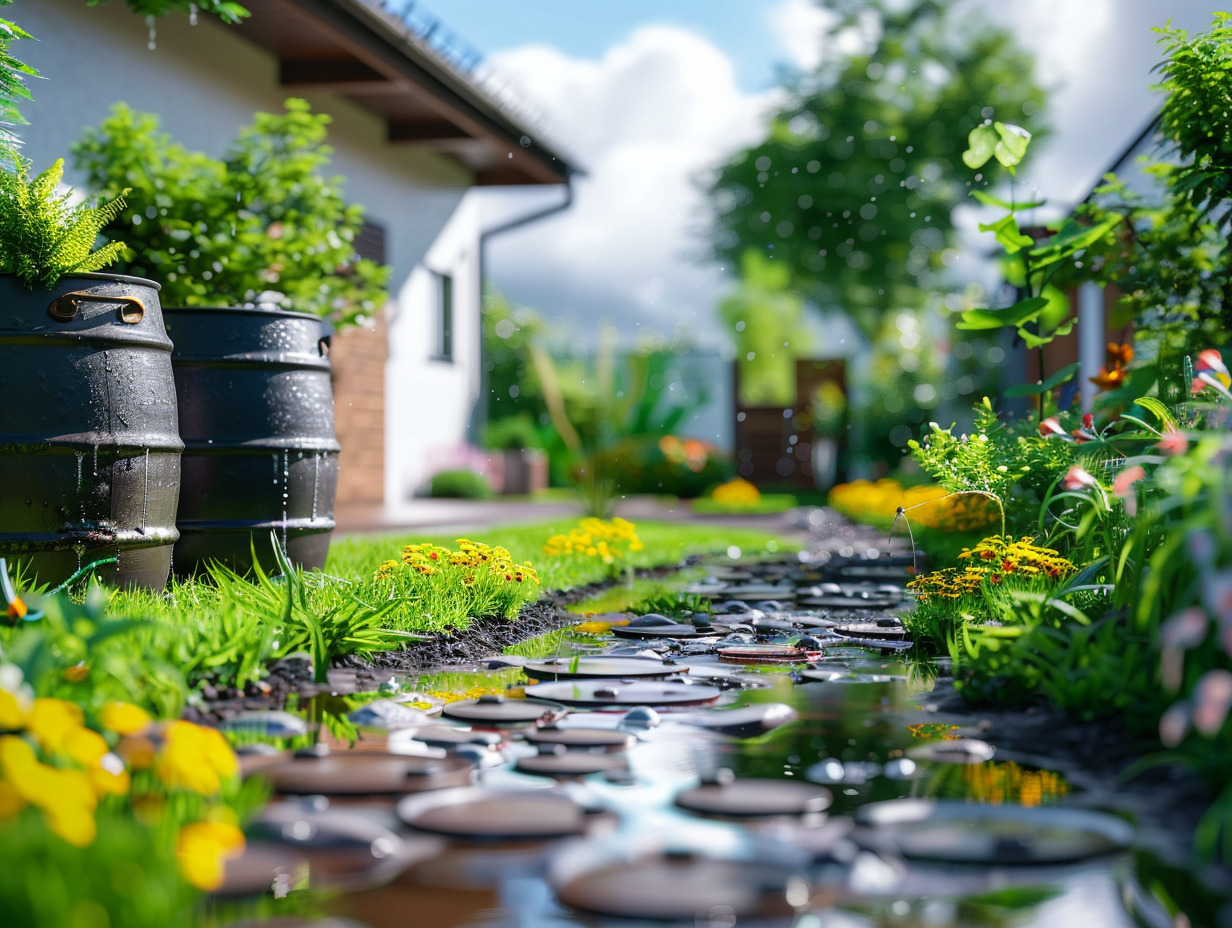
The installation of rainwater harvesting tanks must comply with local regulations, which govern the implementation of such systems. These tanks, whether buried or above ground, allow for the storage of water for later use, such as garden irrigation or exterior cleaning. Be sure to select durable materials suitable for the expected water volumes. The sizing of these tanks is crucial and must be proportional to the collection area and intended use.
In the interest of ecological management, infiltration methods such as bioswales, green roofs, infiltration wells, or retention basins are considered sustainable solutions. These installations facilitate the reintegration of water into the natural environment while reducing the risk of overload on municipal drainage systems. The green roof, in particular, offers a dual function: it retains rainwater and provides thermal insulation for the building.
Further reading : Change Your Look: How to Choose the Right Men's Haircut
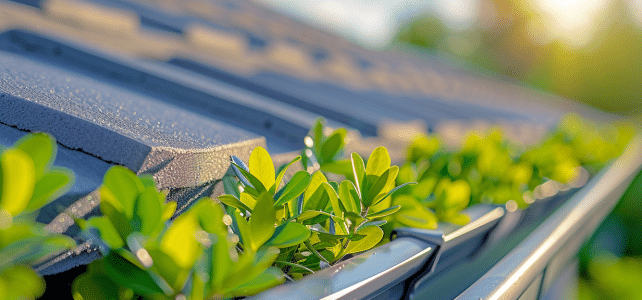
The installation of a gutter against wall is sometimes necessary to capture rainwater from roofs without overflow. This solution, which requires special attention during design, must be carefully integrated to ensure smooth and unobstructed drainage to harvesting or infiltration systems. Adhering to slopes, choosing materials, and connecting with downspouts are technical details that require professional implementation for optimal efficiency.
Practical Tips for Maintaining and Optimizing Your Rainwater Drainage System
Regular maintenance of the rainwater drainage system is essential to ensure its longevity and effectiveness. Start with a biannual inspection of key components such as gutters, downspouts, and strainers to prevent any blockage from leaves or debris. This preventive maintenance helps avoid overloads and damage that could compromise the system’s proper functioning.
Regarding the rainwater harvesting tank, annual maintenance is recommended. This involves completely emptying it to clean out any deposits or algae that may affect the quality of the stored water. Also, ensure that the filters at the tank’s entrance are clean and functional to prevent particles from entering the harvesting system.
For infiltration systems such as dry wells or bioswales, check their absorption capacity. Indeed, saturated soil or a blocked well will not allow for proper infiltration of rainwater. Adjust inspection periods according to the seasons and weather conditions, as these directly influence infiltration efficiency.
Consider complementary measures to optimize rainwater harvesting. Using a rainwater collector for purposes such as garden irrigation or car washing is a practice to encourage. Ensure that this device is correctly connected to the overall system and also receives special attention regarding its maintenance. Take these measures and observe responsible water management, a precious and increasingly rare natural resource.