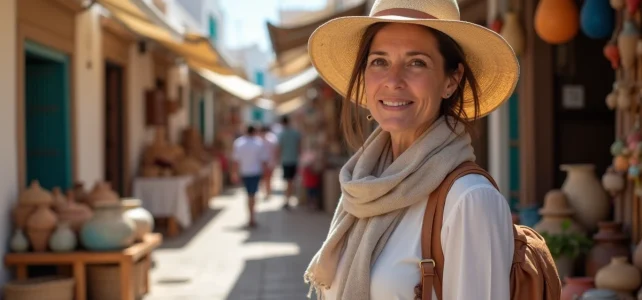
To say that the island of Djerba would escape any form of tension would be a fiction. The latest recommendations from the French Ministry of Europe and Foreign Affairs, published after several events in southern Tunisia, reflect a closely monitored climate. Several European governments have revised their travel advisories, while Tunisian authorities, in response, announce increased surveillance and reinforced personnel on the ground.
On-site, tourist life continues, but not with eyes closed. Airport transfers, hotels, markets: everywhere, checks have become an imposed routine, and each establishment manager slips in some reminders of caution in their instructions. Despite these precautions, international arrivals are not dwindling. One detail does not deceive, however: at every welcome, clients ask the same question, waiting for the same tangible reassurance before lowering their guard.
Further reading : Change Your Look: How to Choose the Right Men's Haircut
Current security situation in Djerba: what the facts and authorities reveal
Djerba has been in the spotlight in recent weeks. Between the echoes of the regional situation and the reality on the ground, the island walks a tightrope. Yet, the official response remains nuanced: Tunisian authorities claim to have adapted security to travelers’ expectations, increased personnel, and adjusted measures. Government tributes remain sober, avoiding hype or alarmism.
On the diplomatic front, the language is measured. Tunisian and French authorities invite everyone to follow the usual recommendations: avoid mass gatherings, consult institutional websites, and adopt active information. To date, Djerba is not subject to any exceptional alert. The Ministry of Europe and Foreign Affairs is monitoring but is not raising the alarm.
You may also like : Everything You Need to Know About High-Performance and Secure Web Hosting for Your Website
At the heart of all discussions, the question circulates and comes back bluntly: is it dangerous to go to Djerba at the moment. On forums, expatriate groups, social networks, this topic fuels exchanges. Yet, the facts are stubborn: no serious incidents reported in the local press, no panic among French residents, and a visible police presence that settles unobtrusively in frequented areas.
To better understand the measures in place, here are the main actions implemented in recent weeks:
- Increased checks at airports and around strategic sites
- Daily patrols in areas favored by tourists
- Maintained link between local authorities and European consulates to coordinate information feedback
This is not paranoia; it is the ordinary vigilance of a territory where the season is in full swing, under the watchful eye of institutions and local operators.
What concrete risks do travelers face today?
Traveling to Djerba requires a clear-eyed perspective, neither overly confident nor unjustifiably anxious. On the ground, the main inconveniences reported are pickpocketing, typical of highly touristy areas. Bustling souks, crowded beaches, or colorful markets are the hot spots where it is recommended to keep personal belongings secure and exercise discretion with valuable items.
Regarding crime against travelers, feedback is clear: incidents remain sporadic and resemble situations known in other Mediterranean tourist destinations. A few isolated cases, rarely directed at foreigners, and a visible increase in checks at sensitive points, airports, main roads, nightlife venues.
As for the terrorist threat, it is part of a broader context addressed by all official recommendations in the region. Security measures are adapted, with additional patrols organized during events or religious holidays. Again, nothing specific to the island in recent months: tranquility for travelers has not been shaken by recent events.
Some reflexes allow for more peaceful travel:
- Avoid any movement in areas under military control, and follow the recommendations provided by the embassy
- Limit late-night movements outside tourist sectors
- Stay regularly informed through social media or local official announcements
Vigilance does not stifle adventure: it protects the desire to enjoy without fearing the unexpected, far from the anxiety-inducing shortcuts that circulate too quickly.

Practical advice and recommendations for a peaceful stay in Djerba
Organizing your stay in Djerba means integrating precautions into your preparation even before departure. Before packing your bags, check for updates on the French embassy’s website, and register online with the Fil Ariane service. This discreet but wise choice allows you to be located and informed at any time if needed.
Once on-site, always keep your documents, including your passport, within reach. Customs checks are frequent, especially during currency exchanges or around major tourist movements. Scrupulously respecting formalities helps avoid any administrative misunderstandings.
For transportation, official taxis dominate and inspire confidence: they are easily distinguished by their distinctive signs. If you rent a car, systematically check the condition of the vehicle and the validity of the insurance. In case of needing medical care, prefer accredited medical facilities, well-identified with the authorities and regularly inspected.
Other simple tips enhance peace of mind:
- Photocopy your official documents and keep them separate from the originals
- Share a copy of your itinerary in advance with a reliable friend
- Keep the contact details of the French consulate general in Djerba in your phone and on paper
The airlines serving Djerba align with joint procedures with Tunisian authorities. Regarding health and insurance, it is better to opt for comprehensive coverage: emergency care, assistance, repatriation. Keep the reflex to check the latest recommendations on France Diplomatie, especially if the regional climate heats up.
All the difference lies here: combining vigilance with the desire to immerse oneself in the vibrant Djerbian atmosphere, staying informed without yielding to fear, experiencing the island without naivety but without systematic suspicion. In Djerba, life remains that of an open island, monitored but lively, and nothing suggests that the attentive traveler will have to give it up.