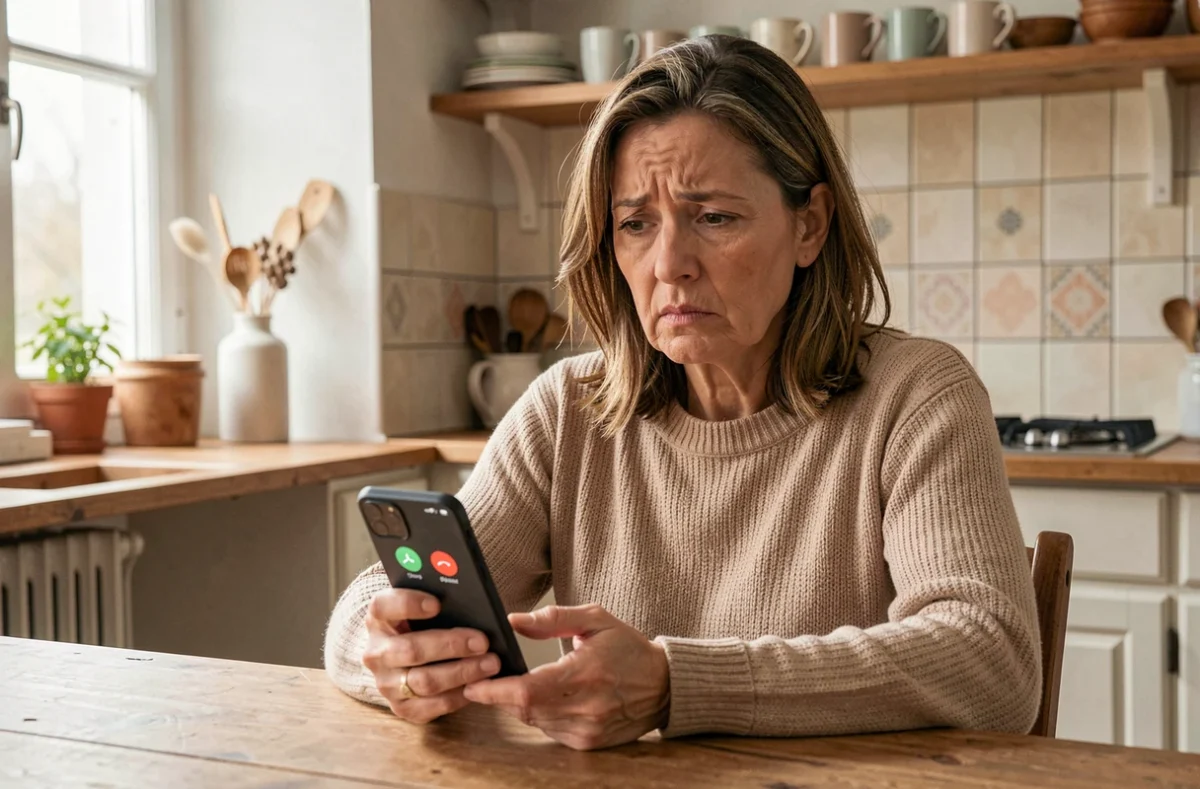
You have a missed call from +33 6 11 06 00 20 on your phone. The 06 prefix indicates a French mobile number, but that alone doesn’t reveal the caller’s identity or tell you whether the call is legitimate. The displayed number may even have been spoofed by a third party, a common technique in telemarketing and fraud attempts.
Mobile number spoofing: why a displayed 06 number guarantees nothing
Most people associate a number beginning with 06 or 07 with a particular caller, unlike numbers beginning with 01–05 or short codes. This assumption can be misleading.
Telephony platforms allow callers to change the number displayed to the recipient. A call center based abroad can therefore display a French mobile number to inspire trust. The actual owner of the displayed number may not even know that their number is being used.
Before calling back an unknown number, take two precautions. Never share a code received by SMS, bank details, or personal information with an unverified caller. If the caller claims to represent a company or organization, hang up and contact it using a number you find independently (on its official website, an invoice, or a letter). To identify the number +33 6 11 06 00 20, you can use several methods, from reverse phone directories to community reporting databases.

Telemarketing and spam: what the law says as of August 2026
Since August 11, 2026, consumers must give their prior consent before receiving any commercial telemarketing calls. Only a few exceptions remain, including calls related to an existing contract between a company and its customer.
This rule changes how you should interpret an unknown call. Unless an exception applies, commercial telemarketing you did not request is now an offense. Companies that break the rules may face penalties.
Reports remain high despite the ban
The DGCCRF recorded 43,000 reports related to telemarketing between early August and late September 2026. However, the agency said it was too early to draw conclusions about the actual change in call volumes. The Bloctel service, which was already in place, is now complemented by this new consent requirement, but the surge in reports shows that these practices did not disappear overnight.
How to recognize a spam call on your mobile phone
Not every call from an unknown number is spam. A delivery driver, a locum doctor, or a tradesperson may call from a number that isn’t saved in your contacts. A few clues can help you tell the difference.
- The call is very brief (one or two rings), with no voicemail left: this technique, known as a ping call, is designed to get you to call back a potentially premium-rate number.
- The caller asks you to confirm personal information (Social Security number, bank details, password): no legitimate organization will ask for this over the phone unless you initiated the process.
- The caller uses a scripted pitch, with an immediate promotional offer or an urgent threat (service disconnection, fine): these scenarios rely on pressure to prevent you from thinking things through.
- You receive a follow-up SMS containing a shortened link to an unfamiliar website: never click a link sent after a suspicious call.
If the call really is from someone you know or a professional, they will usually leave a voicemail or send an explanatory text within a few minutes.
How to report and block a suspicious number
Blocking a number on your phone prevents incoming calls and texts from that specific number. The steps vary depending on your operating system.
Blocking a number on Android and iPhone
On Android, open your call log, press and hold the number, then select “Block”. On iPhone, go to Recents, tap the (i) next to the number, then tap “Block this Caller”. Some manufacturers, such as Samsung, include a built-in spam filter that automatically flags numbers identified as unwanted in their database.
Reporting phone spam to the authorities
Blocking an individual number isn’t enough to stop the problem. There are two ways to report it:
- For an unwanted text message, forward it to 33700, the national service for combating SMS and MMS spam.
- For abusive commercial telemarketing, use SignalConso (signal.conso.gouv.fr), managed by the DGCCRF. Reports help inform investigations and may lead to inspections.
- If you have been targeted in a confirmed scam attempt (identity theft, attempts to obtain bank details), report it on the Pharos platform or file a complaint with the gendarmerie or police station.
Protecting your phone number from future telemarketing calls
Marketing lists are built from data collected through online forms, competitions, account registrations, and data breaches. Every form you fill in with your mobile number expands the pool of potential callers.
Limit how widely you share your main number. When shopping online or signing up for a nonessential service, check whether the “phone” field is actually required. Always untick boxes that authorize the sharing of your data with commercial partners.
You can still register with the Bloctel list, which complements the new legal framework. It doesn’t technically block calls, but it prohibits professionals from using your number for telemarketing. If a company contacts you despite your registration, reporting it through SignalConso can make a real difference.
When faced with a number like +33 6 11 06 00 20, the most reliable response is to verify, stay cautious, and report it. No app or law filters out every unwanted call, but each report helps limit the scope for abusive telemarketers.