
Aging well is not just a list of good habits. The lives of seniors encompass a range of dimensions related to physical health, mental balance, and daily environment, some of which are rarely addressed by traditional prevention guides. Understanding these dimensions allows for concrete actions beyond general recommendations.
Ageism and Seniors’ Mental Health: An Underestimated Factor
Advice for aging well often focuses on diet or physical activity. However, one angle is notably absent from most public resources: the impact of age-related stereotypes on health. Since 2023-2024, several players in the SilverEco sector and associations have documented an increased awareness around ageism.
Related reading : Tips and Tricks for a Harmonious Coexistence Between Dogs and Cats
Negative representations of aging (associated with dependence, decline, or burden) produce measurable effects on the mental health and social engagement of those over 60. This phenomenon is now considered a significant public health issue. Events like the SilverEco Digital Days dedicate entire sessions to deconstructing these preconceived notions and promoting a more diverse image of seniors: active, entrepreneurs, caregivers, and socially engaged.
The direct consequence for daily life is tangible. An elderly person who internalizes these stereotypes gradually reduces their activities, outings, and interactions. Withdrawal often precedes the loss of autonomy much more frequently than the reverse. Fighting against ageism protects mental health just as physical exercise protects the body.
Related reading : How to Choose the Right Car: Tips and Tricks for a Successful Purchase
Testimonials and practical resources about seniors’ lives are regularly shared on vismaviedesenior.fr, featuring stories that illustrate this diversity of profiles and commitments after 60.
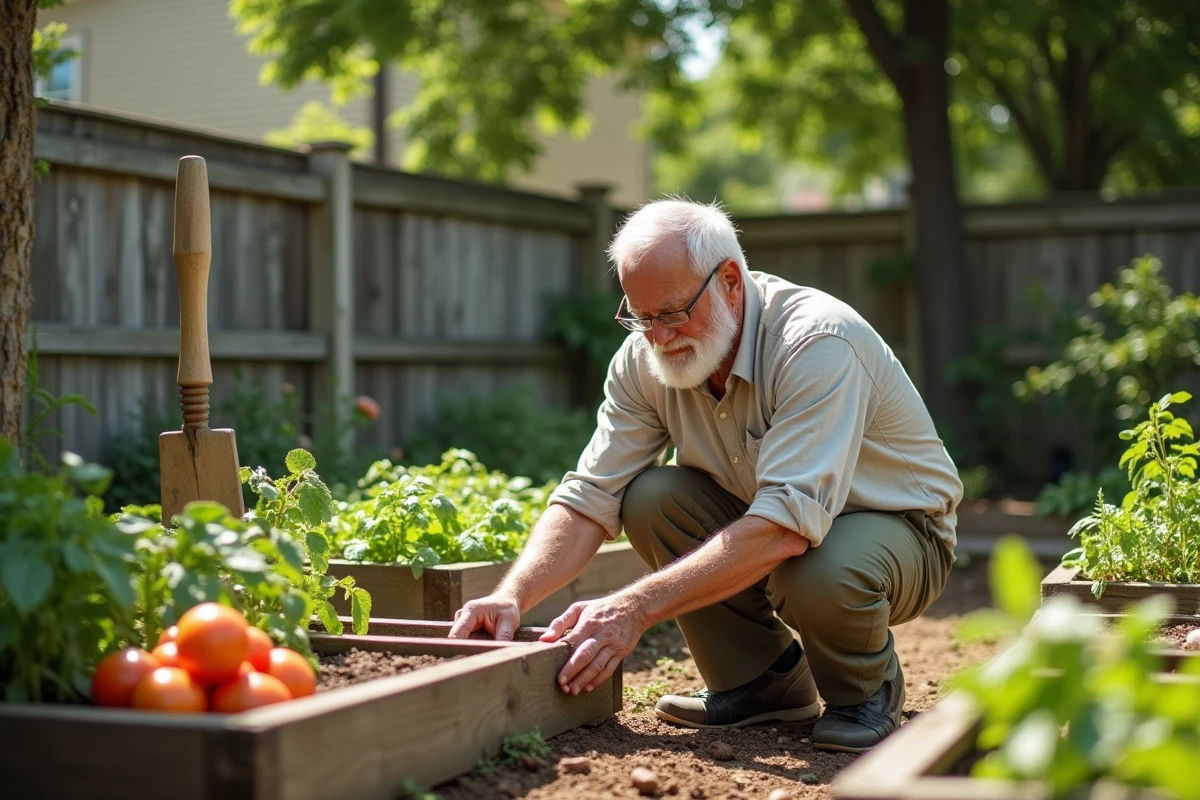
Adapted Physical Activity: What Really Works for Seniors
Physical activity remains the best-documented prevention lever for aging well. The difficulty lies not in the principle (moving is beneficial), but in choosing exercises suitable for each person’s age and abilities.
Balance Exercises and Fall Prevention
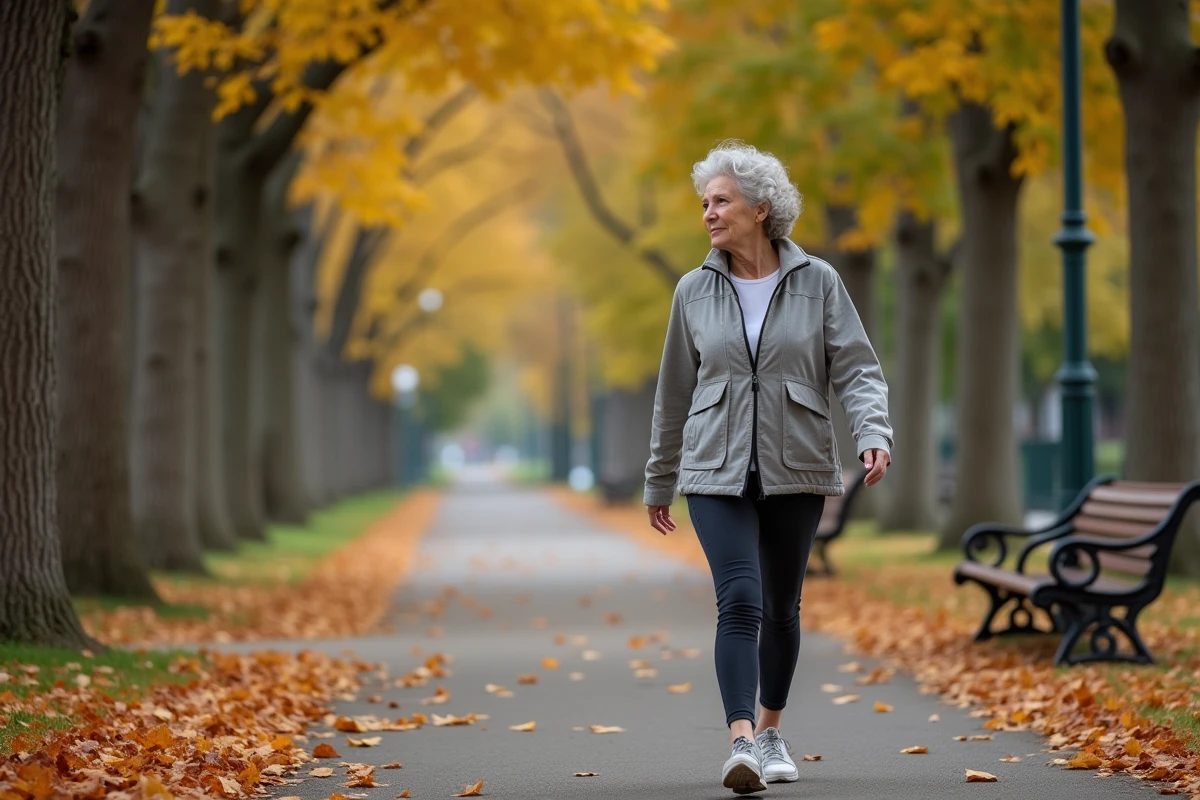
Walking is an accessible foundation for the vast majority of seniors. It engages the cardiovascular system without excessive joint strain. Additionally, balance exercises reduce the risk of falls, the leading cause of loss of autonomy among the elderly.
Tai chi, gentle yoga, or simply standing on one foot for a few seconds each day improve proprioception. These exercises require no equipment and can be practiced at home.
Muscle Strengthening After 60
Muscle mass naturally decreases with age. A light muscle strengthening program (resistance bands, body weight, small dumbbells) preserves mobility and energy in daily life. Two to three sessions per week are sufficient to see results in posture and endurance.
- Fast or Nordic walking, which combines cardio and postural work, remains the most recommended physical activity for autonomous seniors.
- Static balance exercises (single-leg support, heel-to-toe walking) can be practiced daily in just a few minutes.
- Light resistance muscle strengthening protects the joints while slowing the age-related loss of muscle mass.
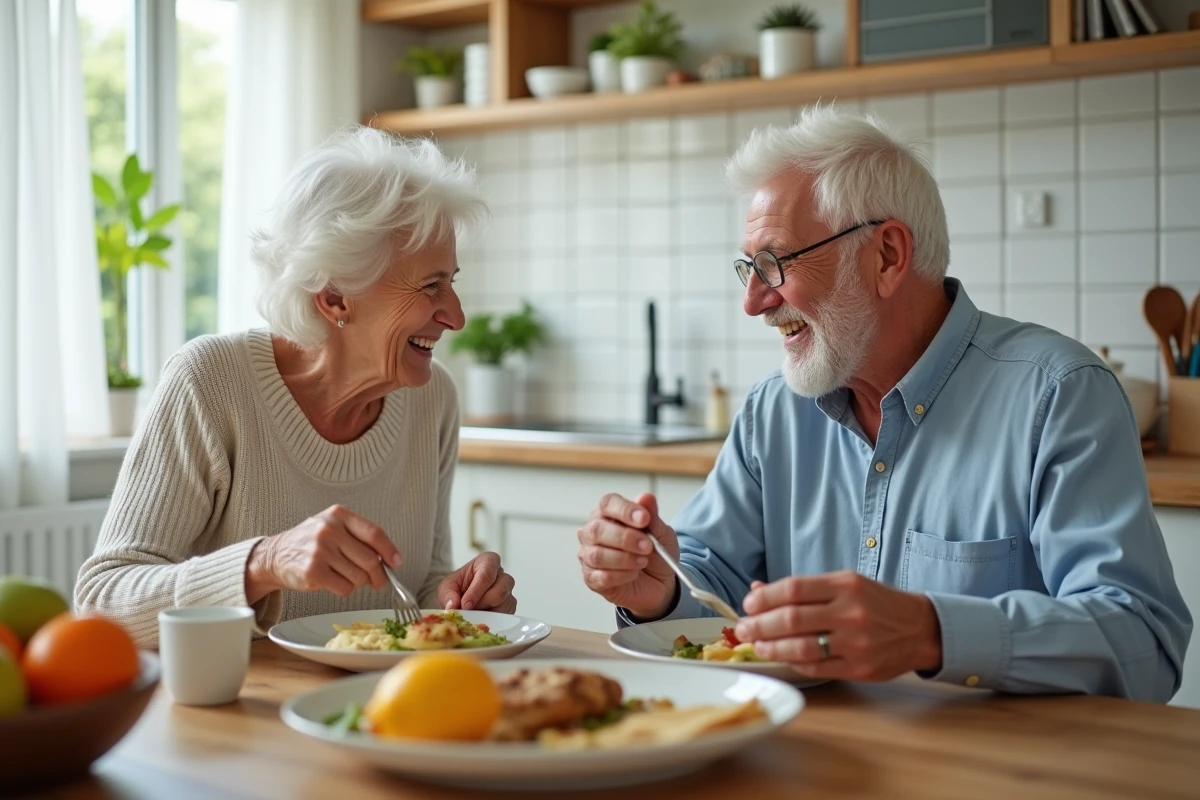
Social Connection and Mental Stimulation: Two Pillars of Autonomy
Preventing aging is not solely about the body. Social isolation accelerates cognitive decline and deteriorates the mental health of seniors. Maintaining an active social network is as powerful a protective factor as physical exercise.
Collective activities (memory workshops, reading groups, language courses, volunteering) serve a dual purpose. They stimulate cognitive functions and create regular opportunities for human contact. Volunteering, in particular, provides a sense of usefulness that supports self-esteem.
Maintaining Mental Health Daily
Stress management takes on particular importance after retirement. The disappearance of the professional framework alters temporal and social references. Establishing a routine that includes stimulating activities (crosswords, musical learning, gardening) helps structure the day.
The combination of physical activity and cognitive stimulation yields greater benefits than each practice in isolation. Walking in a group in a new environment, for example, simultaneously engages the body, mind, and social connection.
Age-Friendly Cities: Adapting the Environment for Healthy Aging
Prevention advice often targets the individual. However, the environment in which seniors live plays a crucial role in their autonomy and quality of life.
The “Age-Friendly Cities” program, supported by the WHO and adopted by French communities, aims to adapt public spaces to the needs of older adults. In practical terms, this translates into changes that are rarely noticed until one needs them:
- More numerous and better-distributed public benches, allowing for breaks during walks without exhaustion.
- Wider sidewalks, longer pedestrian signal times, and enhanced lighting at intersections to secure mobility.
- Accessible public transport (low floors, audible announcements, priority seating) that maintains mobility for non-motorized seniors.
- Preserved local shops and services, reducing dependence on cars.
An adapted urban environment significantly delays the loss of autonomy. Improving the living environment complements individual prevention efforts and makes advice on physical activity or social connection truly applicable.
The lives of seniors benefit from being approached from these complementary angles: acting on social representations, adapting physical practices, maintaining human connections, and transforming collective spaces. Aging well does not solely depend on individual will; it also relies on a framework that makes it possible.