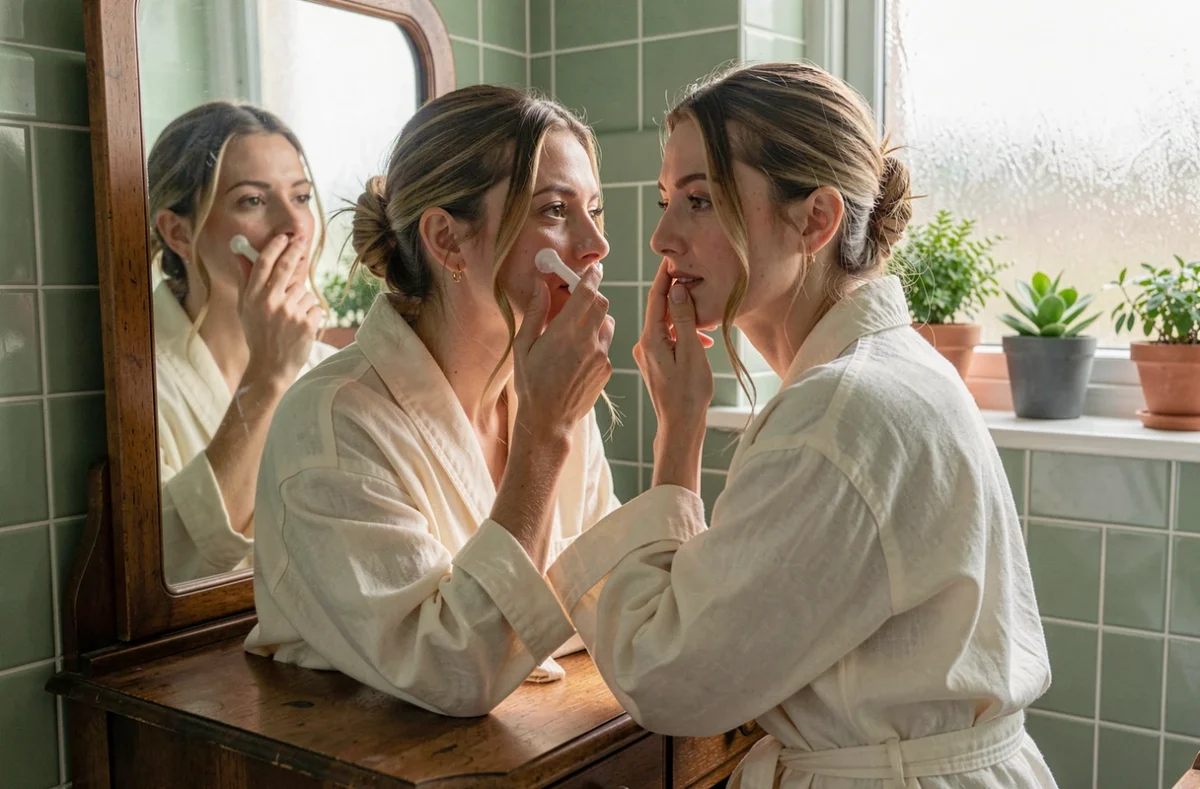
A skin that feels tight from the morning, makeup that doesn’t last beyond noon, dull hair despite regular care: these everyday situations often reveal a gap between the habits we repeat and what our skin or hair truly needs. Enhancing one’s appearance is less about accumulating products and more about making targeted choices that suit one’s unique beauty.
Facial care routine: identifying the right action before the right product
We often start by buying a cream or serum because it’s recommended everywhere. The problem is that the product doesn’t correct anything if the basic action is poorly executed. Before adding an active ingredient, we check two things: cleansing and hydration.
An overly aggressive cleansing (too hot water, harsh foaming cleanser) destroys the hydrolipidic film. The result: the skin overproduces sebum or, conversely, feels tight all day. A gentle cleanser, used morning and night, is sufficient in most cases.
To learn everything about Beauté Unique, we rely on an approach that prioritizes understanding one’s skin rather than piling on products. This logic aligns with the skinimalism trend: shorter routines, products with documented benefits, and a specific need identified before each purchase.
Dermatologists also remind us that an effective basic routine consists of three steps: cleansing, hydration, and sun protection. This foundation works for most skin types, including sensitive or reactive skin.

Makeup suited to one’s features: mistakes that ruin the result
Foundation is the first source of frustration. It’s often chosen under artificial lighting, and the shade seems correct in the store before turning gray or orange in natural light. Testing the shade on the jawline in daylight remains the most reliable method to avoid this mismatch.
Texture matters as much as color. Dry skin struggles with a powder foundation that accentuates flaking areas. Conversely, oily skin tends to slide off a foundation that is too rich within a few hours.
Choosing the texture according to skin type
- Dry skin: favor a fluid foundation or a hydrating BB cream, applied over an emollient base to avoid a caked effect
- Combination to oily skin: opt for a mattifying formula, ideally without occlusive silicone, and set with a translucent loose powder on the T-zone
- Sensitive skin: choose short ingredient lists, without added fragrance, and check for allergens on the label (the European regulation 2023/1545 has expanded the list of fragrance allergens to declare)
Mascara, on the other hand, requires different techniques depending on the shape of the eyes. On drooping eyelids, focus on the outer lashes to open the gaze. On round eyes, elongate the central lashes to create a stretching effect.
Hair care: why washing frequency changes everything
We often hear that we should space out shampoos to avoid irritating the scalp. This is true in some cases, but not always. An unwashed oily scalp accumulates sebum that suffocates the follicle and promotes dandruff.
The right frequency depends on sebum production, the environment (pollution, sports), and the type of shampoo used. A sulfate-free shampoo, which is gentler, can be used every two days without drying out the hair fiber. A classic shampoo, which is more stripping, benefits from being spaced out more.
Practical tips for visibly healthier hair
Apply the shampoo only to the scalp, never to the lengths. Rinsing is enough to clean the ends. Rubbing the lengths between the palms creates friction that damages the cuticle and makes the hair porous.
Conditioner, on the other hand, should only be applied to the lengths and ends. Leave it on for two to three minutes before rinsing with lukewarm water (not cold, contrary to the myth: cold water does not significantly “close” the cuticle).
Cosmetic labeling: reading ingredients to avoid pitfalls
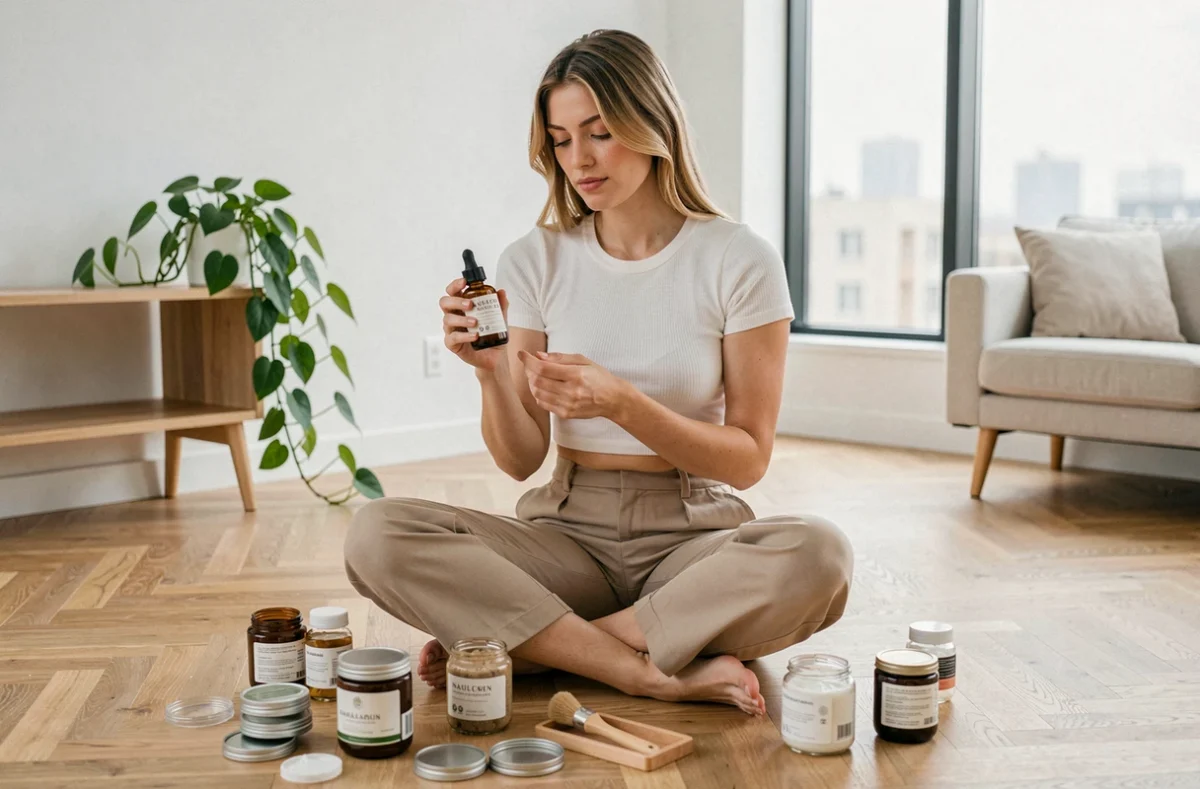
European regulations require that ingredients be listed in descending order of concentration. In practical terms, if hyaluronic acid appears at the end of the list, its proportion in the product is marginal, even if the packaging highlights it.
Checking the first five ingredients gives a reliable picture of what the product actually contains. Water (aqua) almost always appears at the top, followed by the fatty base or the main humectant.
- Glycerin in the second or third position indicates a properly hydrating product
- A denatured alcohol (alcohol denat.) placed high on the list can dry out reactive skin
- The mentions “fragrance” or “parfum” without detail do not allow one to know which allergens are present, unless the manufacturer already complies with the new requirements of regulation 2023/1545
This reading reflex takes a few seconds in the aisle and helps eliminate products whose composition does not match the identified need.
Beauty and style in everyday life: adapting appearance to one’s lifestyle
Elaborate makeup is pointless if it melts in two hours because one works outdoors or is constantly on the move. The most polished look is the one that holds up under real daily conditions.
For an active day, we focus on an even complexion with a lightweight product, waterproof mascara, and a tinted lip balm. Three products, five minutes, a clean result that lasts.
Clothing style also plays a role in the overall perception. Colors that harmonize with the natural complexion brighten the face without additional makeup. Warm tones (rust, camel) work better on golden undertones, while cool tones (navy blue, burgundy) enhance rosy undertones.
Enhancing one’s appearance does not require dozens of products or hours in front of the mirror. The most visible results come from simple actions, repeated regularly, and from products chosen for what they truly contain rather than for what they promise on the packaging.