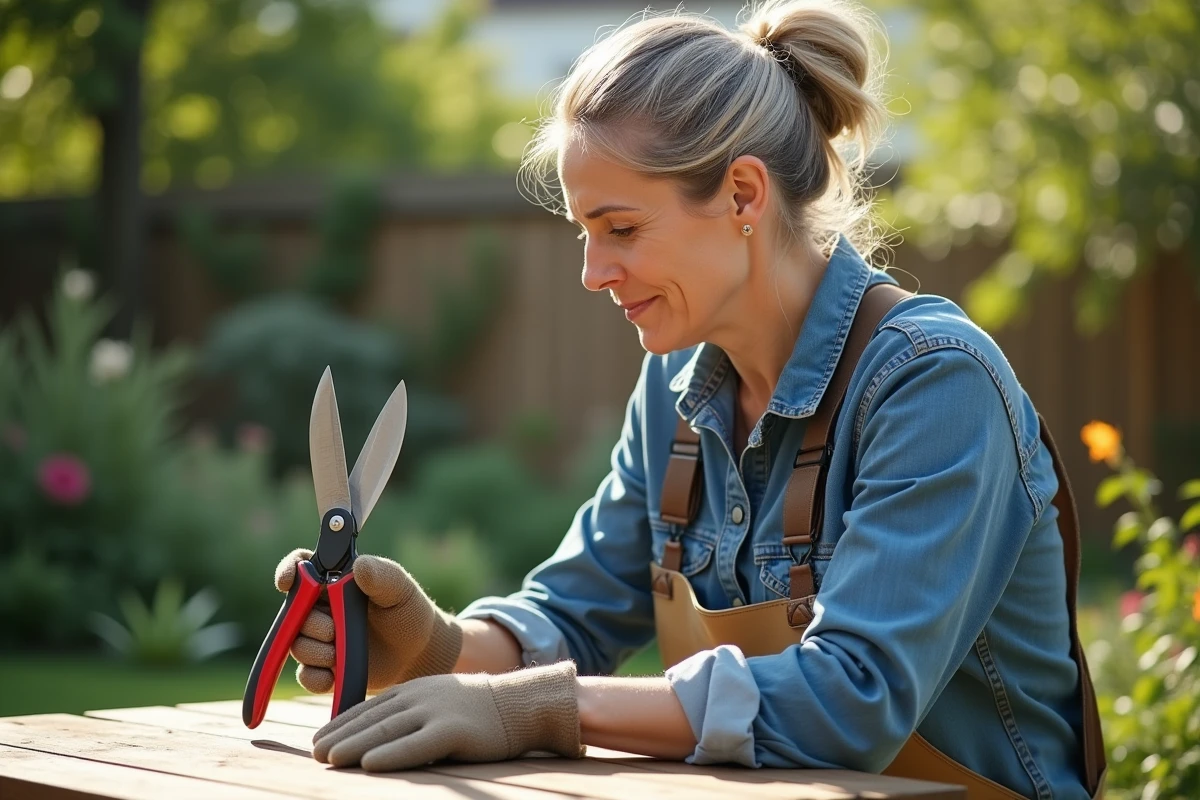
Some tools wear out faster when they do not match the size or nature of the areas to be maintained. The confusion between specialized and versatile accessories increases expenses without improving results. Manufacturers multiply innovations each year, but not all equipment is suitable for every type of soil or every user.
Impulse purchases remain common, while efficiency relies on the rigorous selection of instruments suited to each task. A few precise criteria are enough to avoid recurring mistakes and ensure regular maintenance without wasting time or energy.
Understanding the needs of your garden: area, soil type, and plants
Under every lawn and flowerbed lie specific requirements. A large garden demands robust solutions: lawn tractors, motorized tools, automated irrigation systems. Even outdoor heating or well-chosen lighting extends enjoyment when the chill sets in. Conversely, for a small space, nothing beats simplicity: a corded electric mower, a few manual tools, and easily accessible watering are more than sufficient.
The structure of the soil directly influences the toolkit to be assembled. On heavy or clayey soil, it is hard to avoid the spade, pickaxe, or claw to aerate and turn the earth. If your soil is light or sandy, the rake, trowel, and hoe will facilitate planting and maintenance. A dense lawn? Depending on the area, combine a mower, scarifier, rake, or robotic mower for a clean result.
Plants also guide the choice of equipment. Hedges and boxwoods require hedge trimmers, shears, and loppers. Flower beds demand pruners, sprayers, hoes, and string trimmers. As for climbing plants, they thrive better with a coconut fiber support stick.
For detailed recommendations and examples tailored to each situation, the equipment solutions on Expert Jardin provide a useful overview: from tool selection to consideration of area, soil type to plant variety, without neglecting user comfort or equipment longevity.
What equipment is truly essential for effective maintenance?
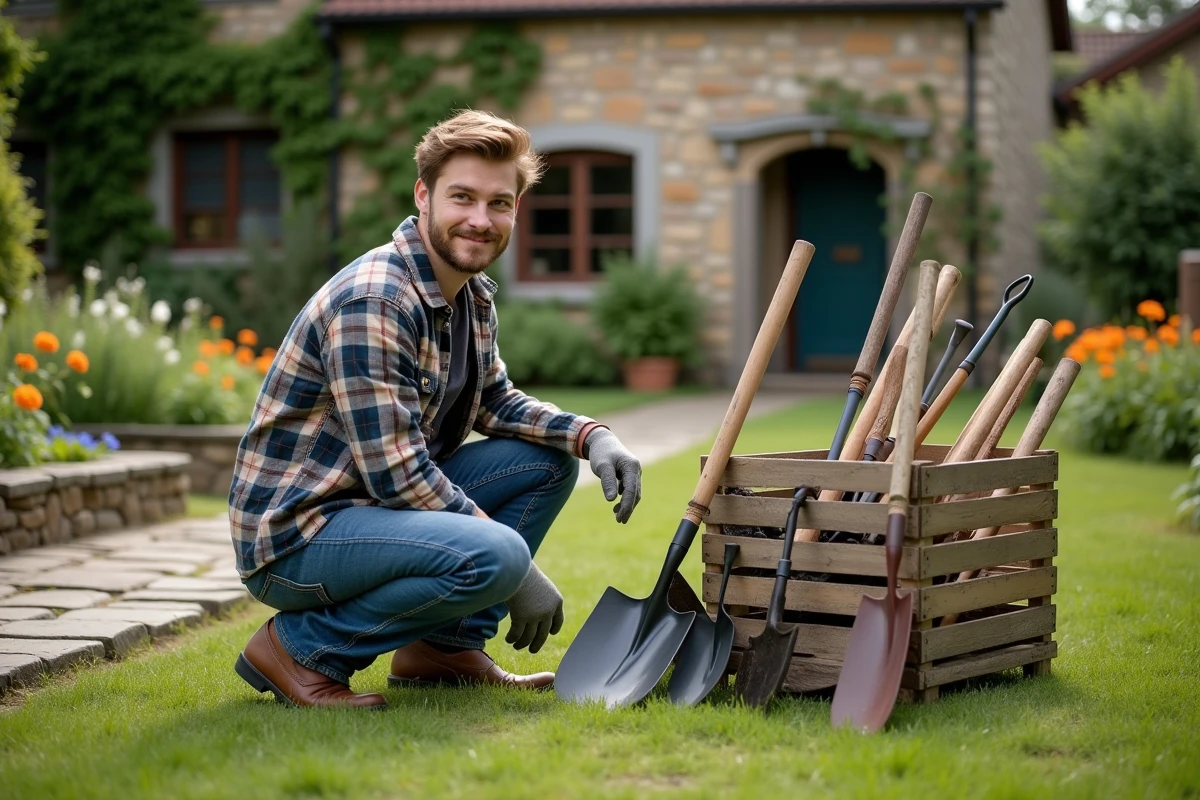
Among the multitude of gardening tools, some stand out for their versatility and reliability. The spade remains essential for diging, loosening, or mixing soil: it is used in every season, whether for planting or soil work in autumn. The rake levels the soil, gathers leaves, and helps scarify the lawn. The shovel, on the other hand, facilitates the transport of soil, the creation of planting holes, or cleaning paths.
Here are the main tools to remember for each use:
- For pruning: the pruner cuts branches and thin twigs, while the shears, loppers, or hedge trimmers take over for thicker hedges, boxwoods, or branches. For trees or firewood, the chainsaw is essential.
- For soil maintenance: the claw or fork loosens and breaks clumps. The pickaxe tackles hard or stony soils without weakening. The planter and transplanter simplify the placement of bulbs, seeds, or young plants.
- For watering: the garden hose, sprayer, or programmable sprinkler ensure irrigation suited to the weather and the needs of the plants.
- For lawns: the mower adapts to all surfaces, from manual models to ride-on mowers. The scarifier aerates the lawn, and the string trimmer perfects the finishes.
Do not overlook gardening gloves to protect your hands or the weeding knife to tackle stubborn roots. For flower beds and borders, the hoe, hand cultivator, or weeder are used for weeding, hoeing, or making furrows. For climbing plants, a coconut fiber support stick promotes their growth.
Tips for choosing suitable equipment and gaining comfort in daily gardening
Gardening is primarily about equipping oneself wisely. Each plot, each plant requires thought. Before buying, assess the area to be maintained: a large garden will require motorized tools and sometimes a lawn tractor to keep the grass tidy, while a more modest green space can manage with manual tools and a corded electric mower.
Also consider the nature of the soil. A heavy or stony terrain demands a robust pickaxe, a claw, or a spade for effortless work. Loose soil is easily worked with a spade and a trowel. For flower beds, flowers, or boxwoods, prioritize lightweight and manageable tools designed for frequency of use and the specific needs of each plant.
- Ergonomics: prefer handles that fit well in your hand, suited to your morphology, with a non-slip grip. A well-designed tool limits fatigue and reduces the risk of injury.
- Quality of materials: stainless or treated steel resists corrosion better. Investing in solid materials ensures reliable equipment that withstands the seasons.
In use, ease of maintenance, modularity, and efficient storage make a difference. An automated irrigation system, a programmable sprinkler, or a drip system eases daily tasks. Selecting truly suitable tools makes every gardening session a smooth experience, without wasted energy or time lost. Ultimately, a well-thought-out garden promises a pristine outdoor space… and renewed enjoyment with each season.